Breeding & Genetics
How to Breed Cichlids: Mouthbrooders and Substrate Spawners
Aug
Cichlids are known throughout the aquarium hobby for relatively easy breeding, though their strategies vary significantly between mouthbrooding and substrate-spawning species.
Mouthbrooders
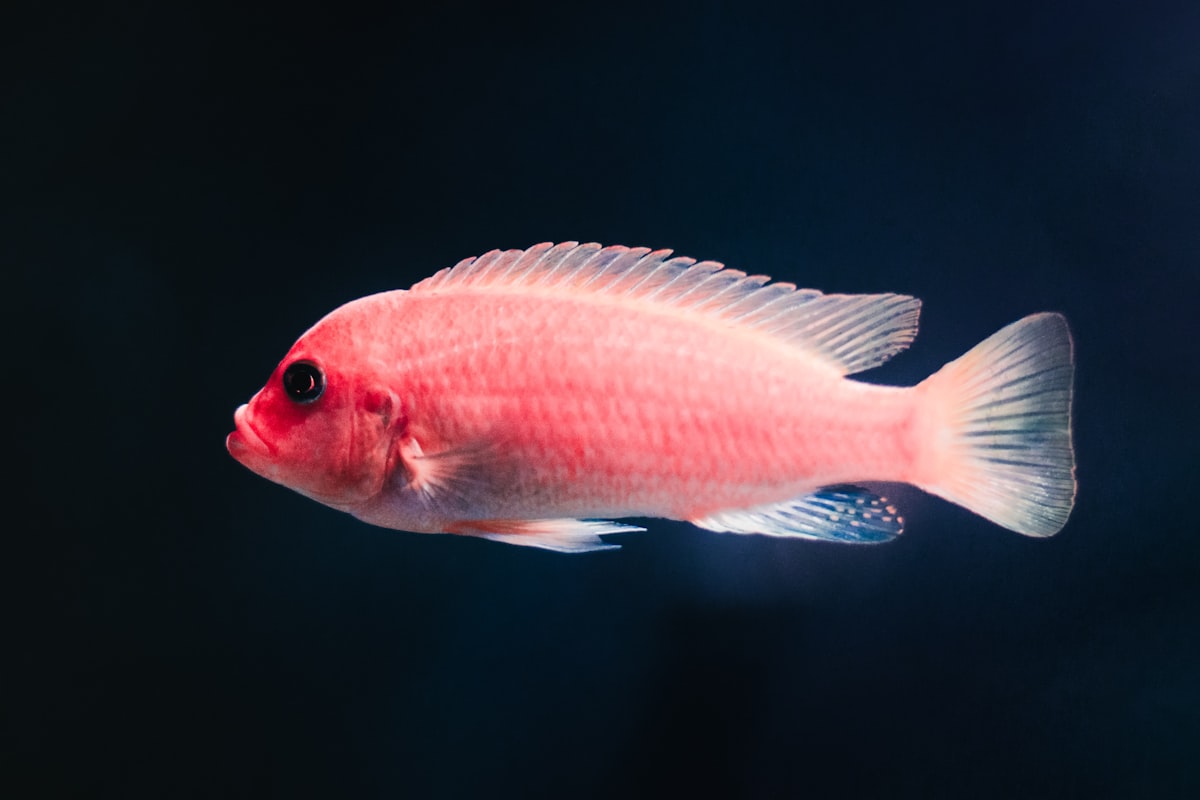
Many African Rift Lake cichlids (see our African cichlid guide) are mouthbrooders, with the female carrying fertilized eggs and later fry in her mouth for several weeks, foregoing food during much of this period.
Substrate Spawners
Many South American cichlids, including angelfish, are substrate or cave spawners, laying eggs on a flat surface or in a cave and guarding them closely as a pair. See our angelfish care guide for species-specific notes.
Setting Up a Breeding Tank
A dedicated tank with appropriate substrate, caves, or flat spawning surfaces (depending on the species) reduces stress on the breeding pair and protects fry from other tankmates.
Raising Fry
Cichlid fry are generally large enough to accept finely crushed flake or specialized fry food quickly, and parents of substrate-spawning species often continue guarding fry well after they’re free-swimming.
